Every church has them. The members who used to sit in the third row for 40 years, and now cannot make it in.
Maybe it is a hip that will not heal. Maybe it is a spouse who needs full-time care at home. Maybe it is a long stay in a nursing home three towns over.
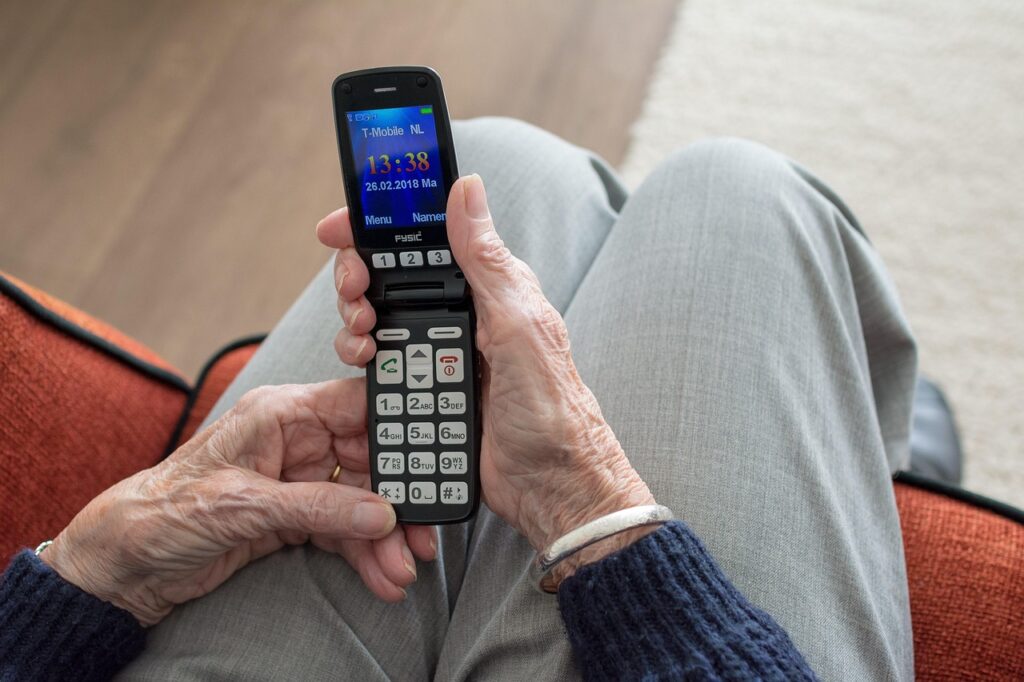
A dial-in church service brings Sunday to them. They pick up the phone, dial one number, and they are back in the room.
What a dial-in service is
A dial-in service is a phone number that plays your service live. When worship starts, the audio goes out on the line. A member calls in and hears everything as it happens.
No app. No screen. No password. If they can dial a phone, they can be there.
That last part matters more than it sounds. For a homebound member, the barrier is almost never the desire to join. It is the technology. Take the technology away and they show up every week.
How to set one up
You can have this running before next Sunday. Here is the path.
1. Get your number
You start with one dedicated phone number for the church. This is the number members will dial. Pick something you can print in the bulletin and tape to a fridge.
2. Connect your audio
The line needs to hear the service. Most churches feed it from the sound board that already runs the microphones. If you do not have a board, a single good microphone works to start.
Reaching members who can’t get online is why PhoneLive exists.
Start my free 30-day sandbox →No credit card · Auto-expires in 30 days · 15-minute setup3. Test it with one friendly member
Before you tell everyone, have one trusted member call in during a midweek practice. Ask them one question. Can you hear it clearly? Fix the sound now, not on Sunday.
4. Tell your shut-ins
Print the number big. Call each homebound member and walk them through it once. After the first call, they have it. Many keep the number written by the phone from then on.
Make it even easier with a reminder call
Some members will forget the time or misplace the number. So most dial-in systems can also call your members right before service.
Their phone rings at 9:55. They answer. They are already connected. For an older member, being called is far easier than remembering to call. This one feature is often what turns a dial-in line from nice idea into something people use every single week.
The part that surprises pastors
Here is what tends to happen after a few months. The dial-in line does not stay small.
Word spreads. A member tells her sister in the next county. A son sets it up for his father in memory care. The travelers start using it on vacation. Soon the phone service is not just for shut-ins. It is a second front door to the whole church.
And it holds. Across our churches, most of the weekly phone activity lands on Sunday, with a strong second wave midweek for Bible study and prayer. Once people build the habit, they keep it for years.
One number, a lot of reach
A dial-in service is one of the simplest things a church can add, and one of the most loved. It costs little and it reaches the exact people a video stream leaves out.
Ready to set one up? See how a church phone system runs a dial-in line, and read our guide to reaching homebound and senior members. If you also want to call members and connect them automatically, that is covered in phone broadcasting for churches.